Appli-Tec technical specialists personally respond to each RFQ, email or phone call.

Search this site
Adhesive FAQs
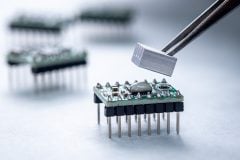 5390 Epoxy Meets Critical Aerospace and Micro-Electronics Application Challenges
FAQs about Appli-Tec’s 5390 Epoxy, one of our most requested materials.
 Do Appli-Tec Adhesives Need a Primer?
A primer bonds to the substrate and the adhesive — becoming a bridging layer.
 FAQ: Adhesive Pot Life and Syringe Size
What size syringe should you use for your adhesive application? Answer: “It depends.”
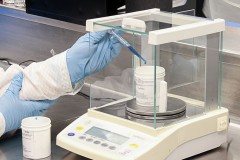 FAQ: “I Have a Difficult Adhesive Mix Ratio. Can Appli-Tec Help?”
The impact of mix ratio on adhesive performance is critical and impacts everything from cure rate to outgassing properties.
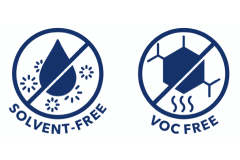 FAQ: “Are Appli-Tec Adhesives Solvent-Free?”
95% of our product line is solvent-free – meaning the materials aren’t flammable or have very low VOC emission.
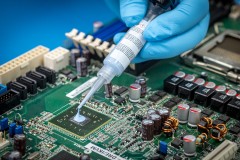 Choosing Thermally Conductive Adhesives for Heat Sink Applications
Solve challenges with heat sink applications that thermal conductive pads can’t handle.
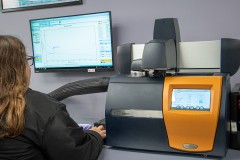 FAQ: What is the Value of Appli-Tec’s PMF Adhesives?
At Appli-Tec, we test all adhesives to meet our own internal specifications – as well as to customer-supplied specs.
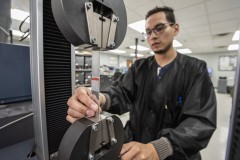 What’s Appli-Tec’s procedure for testing lap shear?
Testing an adhesive’s lap shear is important because it allows for a strength comparison between different adhesive materials on a known substrate.
 Shelf Life Considerations FAQ
My Adhesive Material Seems Thicker Than Normal. What’s the Problem?
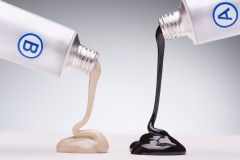 What are the advantages and disadvantages of Epoxy, Polyurethane, and Silicone Adhesives?
The choice of which chemistry to use is based on the application requirements.